


How a Few Minutes Up Front Can Lead to More Accurate Truckload Quotes and Smoother Delivery
julio 30, 2026

Key Takeaways
Booking a truckload (FTL) shipment starts with accurate information. Providing the right details upfront helps improve quote accuracy, reduce delays and unexpected charges, and keep shipments moving smoothly. Freightquote's booking process makes it easier to gather the information needed for a successful shipment.
- Provide accurate freight descriptions, dimensions, weight, and shipment details to improve quote accuracy and ensure the right equipment is assigned.
- Choose the appropriate trailer type and confirm pickup and delivery requirements to help avoid delays and unexpected charges.
- Plan shipment timing carefully, especially when working around delivery deadlines, weekends, and facility hours.
- Complete paperwork, prepare freight before pickup, and book early when possible to improve capacity options and keep shipments moving smoothly.
When you're booking a full truckload (FTL) shipment, it's easy to focus on one thing: getting your freight moving. But the most successful truckload shipments often come down to the details entered before the truck ever arrives.
Unlike less-than-truckload (LTL) shipping, truckload shipments typically require more planning and coordination. Taking a few extra minutes to review your shipment details during the quoting process can help avoid delays, unexpected fees, and service issues later.
Freightquote makes booking truckload freight simple by guiding you through the information carriers need to provide an accurate truckload rate quote. Keeping the following tips in mind can help ensure your shipment moves smoothly from pickup through delivery.
Start with accurate shipment details
The more accurate your shipment information, the more accurate your truckload rate quote will be.
Make sure to clearly describe your freight. Be specific about what you're shipping and include details such as:
- What the product is
- Whether it's palletized, floor loaded, bundled, or crated
- Shipment dimensions and weight
- The value of the freight
Providing an accurate product description helps ensure the right equipment is assigned to your shipment and establishes the proper carrier liability if a claim ever becomes necessary. Just remember that freight must also be packaged appropriately to qualify for coverage.
Choose the right equipment
Not every shipment belongs in a standard dry van.
Depending on what you're shipping, you may need specialized equipment. For example, temperature-controlled trailers are often used for products sensitive to heat or cold, such as chocolate, certain plastics, or other temperature-sensitive goods. Food-grade trailers may be a better fit for items that can absorb odors, like food products, ingredients, or even some cosmetics.
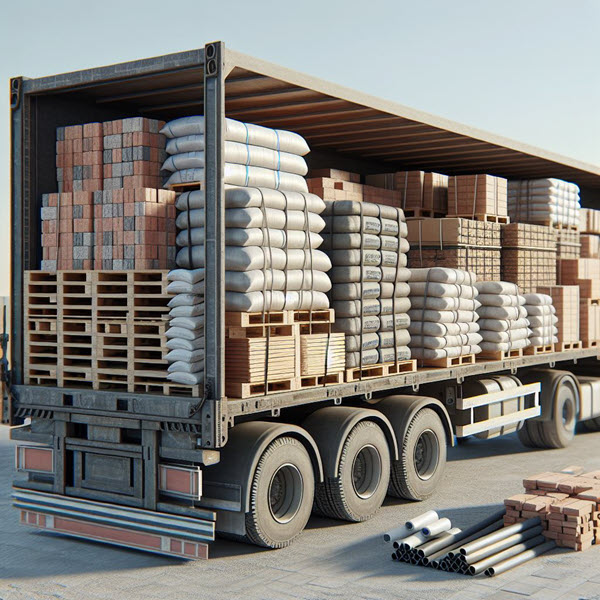
Flatbeds are commonly used for oversized freight, construction materials, or shipments that need to be loaded or unloaded from the side.
Dimensions are also important. As a rule, anything over 12 linear feet should be considered for a flatbed. Think about how the shipment is going to get off the truck, too. If you don't have extender forklifts or another way to unload it from the rear, side unloading may be necessary, which can also point to a flatbed.
If you're unsure which equipment is right for your shipment, providing a detailed product description and accurate dimensions helps our team match your freight with the appropriate trailer.
Double-check your pickup and delivery information
Carriers rely on the information provided during booking, so accurate location details are essential.
Before submitting your shipment, take a minute to confirm the details that matter most: What are the dock hours? Are they open on weekends or holidays? Is the shipment time-sensitive or does it have a hard in-hand date? If so, add that in the notes so the carrier knows it needs to move quickly.
Be sure to include the shipper and receiver hours, along with the right contact names, phone numbers, email addresses, and any special instructions for the location. Freightquote can't verify those hours, so the carrier will rely on the details you provide. It's also a good idea to review your BOL to double-check the pickup and delivery dates and make sure the receiver will be open on those days.
If your shipment requires a loading or delivery appointment, select that option during booking and include the necessary contact information or scheduling instructions. Arriving without a required appointment can result in delays and additional carrier fees.
It's also important to make sure both locations can safely accommodate a full-size truck. Limited space or difficult access can create unexpected challenges on pickup or delivery day.
Plan your shipment schedule carefully
One of the biggest advantages of truckload shipping is that your freight typically moves directly from pickup to delivery without stopping at multiple terminals.
That also means timing matters.
Drivers can often travel up to 650 miles per day, so consider your desired delivery date before choosing your pickup date. For example, a Friday pickup could result in a weekend delivery—something that may not work if your receiver is closed on Saturdays and Sundays.
If your shipment has a firm delivery deadline, be sure to note that during booking so the appropriate planning can take place.
Upload complete paperwork
Missing or incomplete documentation is one of the easiest issues to prevent. Depending on your shipment, you may need to provide:
- Bill of Lading (BOL)
- Purchase order numbers
- Release forms
- Customs documentation for cross-border shipments
Before pickup, review your Bill of Lading carefully. Verify that pallet counts, product descriptions, and shipment information are accurate. Signed shipping documents become especially important if you ever need to file a freight claim.
Be ready when the driver arrives
Preparing your shipment before pickup helps keep everything on schedule.
Before the truck arrives, make sure freight is packaged and ready to load. Confirm your facility has the equipment needed to load and unload the shipment, such as a forklift. And remember that truckload drivers generally do not assist with loading or unloading, and liftgate service is typically not available.
Most truckload shipments include up to two hours for loading and two hours for unloading. Exceeding that time can result in detention or layover charges.
Book early whenever possible
Truckload capacity changes based on market conditions, making advance planning especially valuable.
Booking early can help:
- Improve access to available capacity
- Increase scheduling flexibility
- Provide more competitive truckload rate quotes
While same-day pickups are sometimes possible, they can be difficult to secure, especially during periods of tight capacity. Giving yourself extra lead time helps create more options.
A few extra minutes can save you time later
The easiest way to avoid delays, unexpected fees, and frustration is to slow down and review your shipment details before booking.
Accurate freight descriptions, complete paperwork, correct contact information, realistic scheduling, and selecting the right equipment all help create a smoother truckload shipping experience.
Freightquote's booking process is designed to walk you through each step, making it easier to secure an accurate truckload rate quote and move your shipment with confidence. Spend a few extra minutes upfront, and you'll help set your shipment—and your business—up for success.
Topics:
Get Your Shipping Quote
A complete guide to shipping construction materials
Whether you're a contractor, supplier, or DIY enthusiast, understanding the unique challenges of transporting these heavy, often bulky items is essential. Ship your building materials efficiently with Freightquote.
Shipping construction materials