
고객 맞춤형 공급망 및 물류 서비스
종합적인 서비스를 통해 전체 전략을 최적화하고 비즈니스 성장을 촉진하세요. Adobe 솔루션은 비용 절감, 가시성 개선, 효율성 증대, 고객 만족도 향상을 통해 모든 수준에서 비즈니스의 성공을 보장합니다.
간소화된 물류 서비스


Transloading
Get earlier freight control, tailored port side solutions, and reliable delivery every time.
당신이 가야 할 곳으로 안내해 드립니다
What is logistics and supply chain management?
Logistics and supply chain management is the coordinated process of planning, executing, and optimizing the movement, storage, and flow of goods, services, and information from their point of origin to the final customer.
It includes core logistics activities such as transportation, warehousing, inventory management, and order fulfillment, while also encompassing broader supply chain functions like sourcing, production planning, and distribution strategy.
At its core, effective logistics and transport management ensures products move through the supply chain efficiently, cost-effectively, and reliably, supporting business continuity and customer expectations.

How Lean AI is transforming logistics and transportation management
In today’s operating environment, the functions of logistics and supply chain management are increasingly supported by Lean AI, a proprietary blend of advanced AI, logistics expertise, and a proven Lean operating model. Used thoughtfully, Lean AI automates and enhances the end-to-end shipment lifecycle, including transportation quoting, procurement, routing, invoicing, and reporting, enabling smarter, faster, and better decisions and operation execution.
Unlock logistics and supply chain management efficiencies
Strong supply chain and logistics management helps organizations reduce operating costs, improve delivery speed and accuracy, and increase supply chain visibility. When paired with tools like Lean AI, companies can identify inefficiencies faster, proactively respond to disruption, and continuously improve operations over time.
Most importantly, a well-managed supply chain enables faster, more reliable fulfillment, leading to satisfied customers, stronger brand loyalty, and scalable growth in competitive markets.
What are the 7 steps of logistics?
The seven commonly referenced steps of logistics are:
Planning and forecasting
Anticipating customer demand and aligning supply, inventory levels, and transportation capacity to meet future needs while minimizing excess cost and waste.
Procurement
Sourcing, negotiating, and purchasing raw materials, components, or finished goods from suppliers to ensure availability, quality, and cost efficiency.
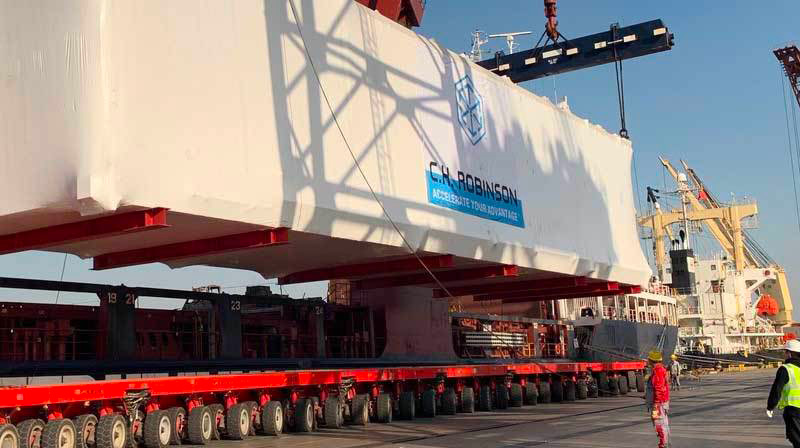
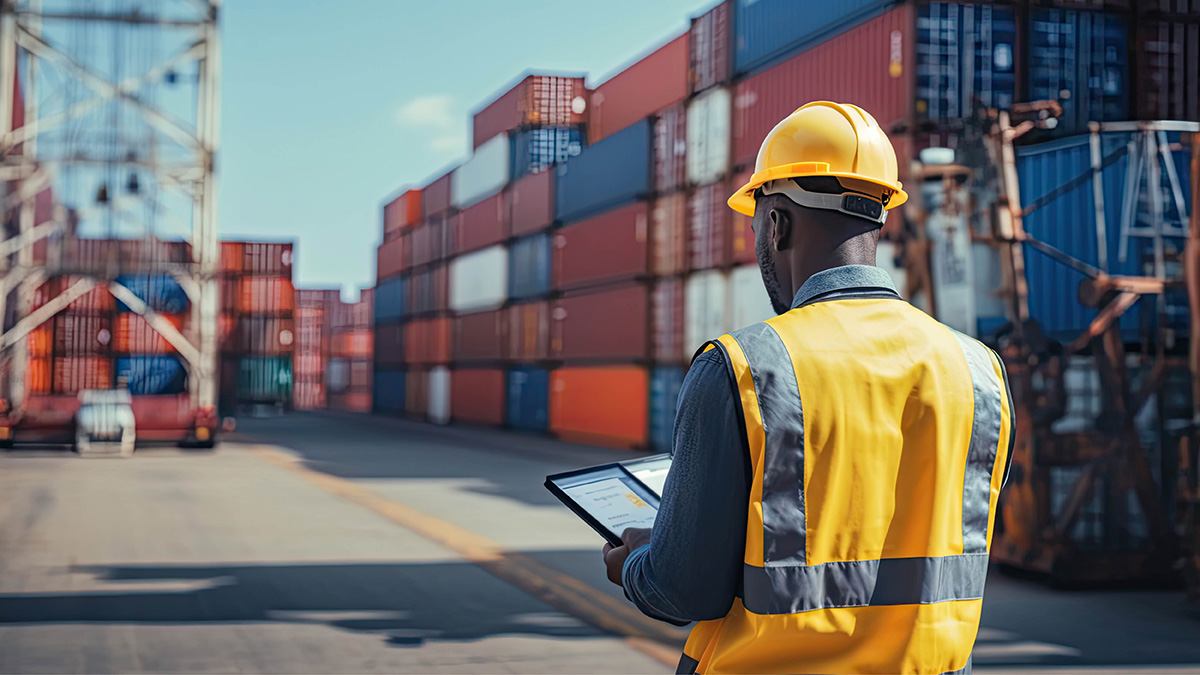
Transportation
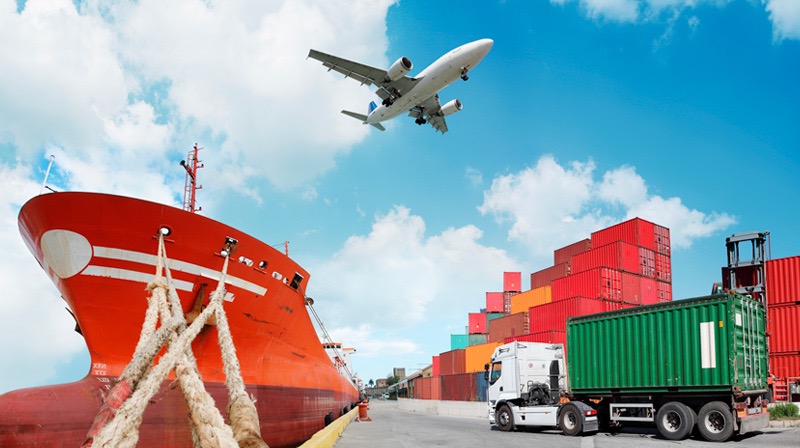
Moving goods between locations using truck, rail, air, or ocean freight, with an emphasis on route optimization, carrier selection, and on-time delivery.
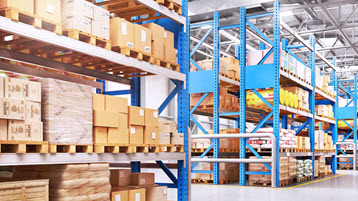
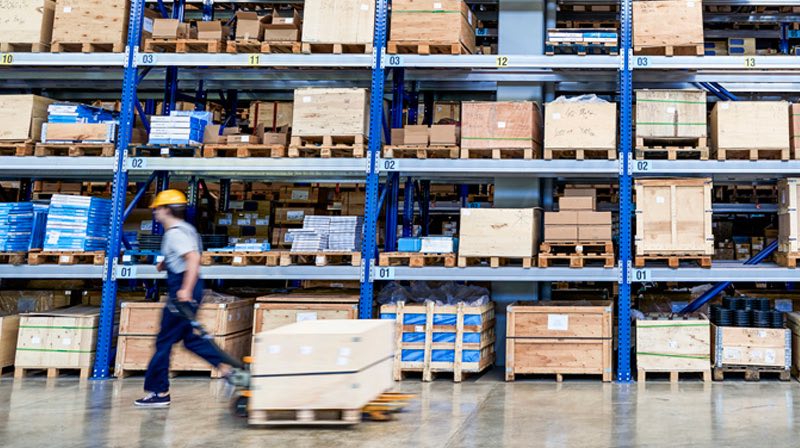
Warehousing
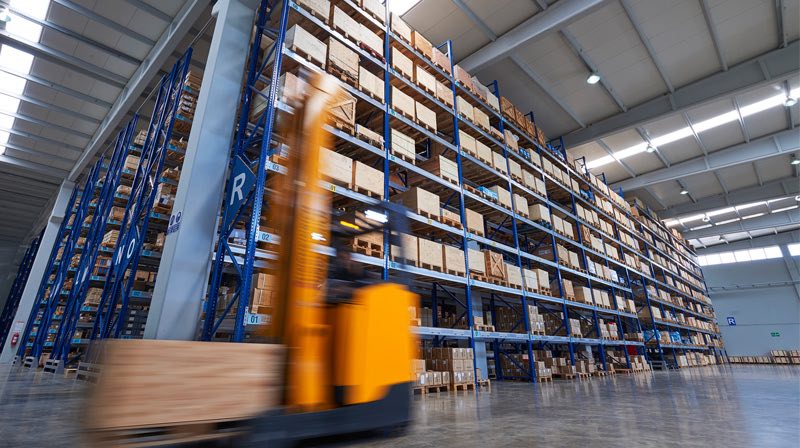
Storing inventory in distribution centers or warehouses and managing receiving, put-away, storage, and retrieval processes until products are needed.
Order fulfillment
Picking, packing, and shipping customer orders accurately and efficiently to meet delivery commitments and service-level expectations.
Distribution
Delivering finished goods through a network of distribution centers, wholesalers, retailers, or direct-to-customer channels to reach the end market.
Returns management
Managing returns, reverse logistics, repairs, recycling, or disposal of products in a cost-effective, sustainable, and customer-friendly way.