


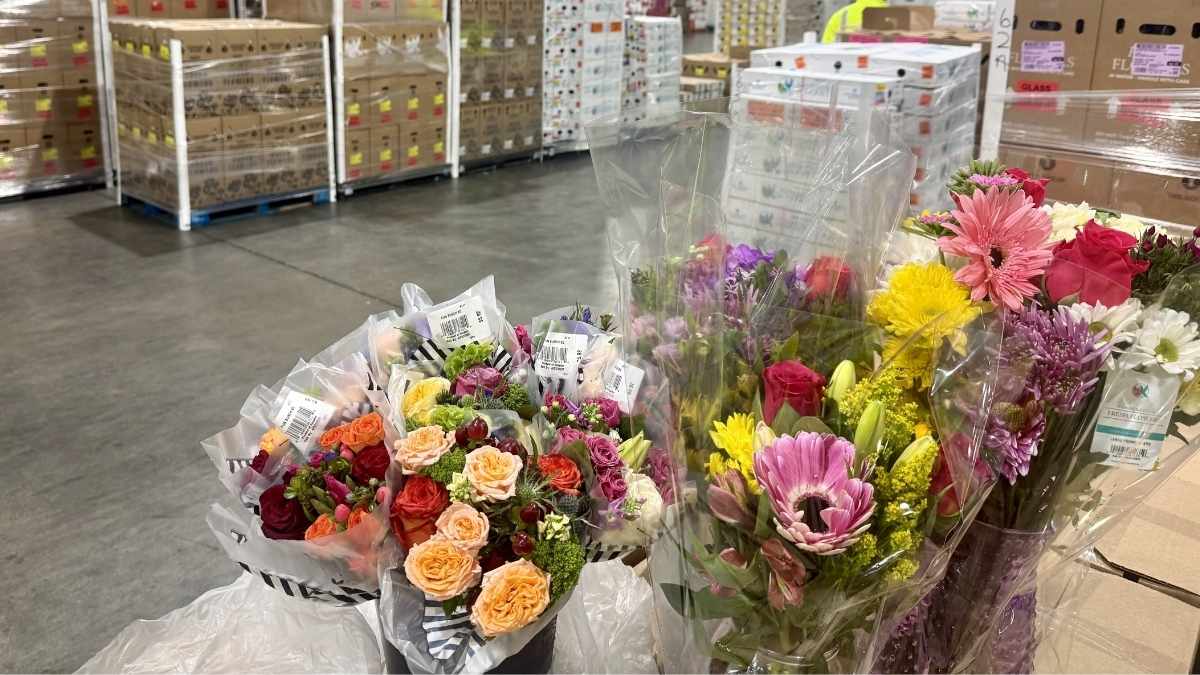
Whether they come from a fancy florist or a supermarket, behind almost every bouquet of Mother’s Day flowers lies a huge logistics operation. To help make the day memorable for tens of millions of moms across the United States, the volume of product to be transported must be ramped up by a full order of magnitude within a few short weeks. That would be a tall order for any commodity, but it’s extra challenging when you’re dealing with a sensitive product such as flowers, which need to be handled with care, cooled every step of the way, and lose shelf life with every delay.
Here’s how it happens:
Step 1: From the fields in South America
About 70% of all the flowers sold in the United States are moved during floral peak season, the three-month stretch between Valentine’s Day and Mother’s Day. Of these, 95% originate from just two countries in South America: Colombia and Ecuador. With their high altitudes, 12 hours daily of abundant sunshine, mild days and cool nights, fertile volcanic soils, and short transit time to key transport hubs, the growing regions there are ideally suited to meet the U.S. flower-buying peak.
Orders have been placed months before the season, so that growers can plan crop cycles to ensure flowers are at their best at exactly the right moment. Blooms must be cut at the precise stage to balance appearance, durability, and vase life. Once cut, the flowers are immediately hydrated, shaded, and cooled to remove field heat. Quality checks begin here, ensuring stems meet strict standards.
Step 2: The journey begins
As soon as the flowers leave the farm, speed is critical. They are cooled to 34 degrees to prevent them from blooming and remain at this temperature throughout their full journey. Handoffs along the temp-controlled supply chain are critical and collaboration is key. Every lost hour and every minute outside the optimal temperature would mean shortened shelf life and reduced value. That’s why, months ahead of the season, Robinson Fresh is already working closely with growers and local carriers to make sure everybody knows their role and every step of the process is tightly choreographed.
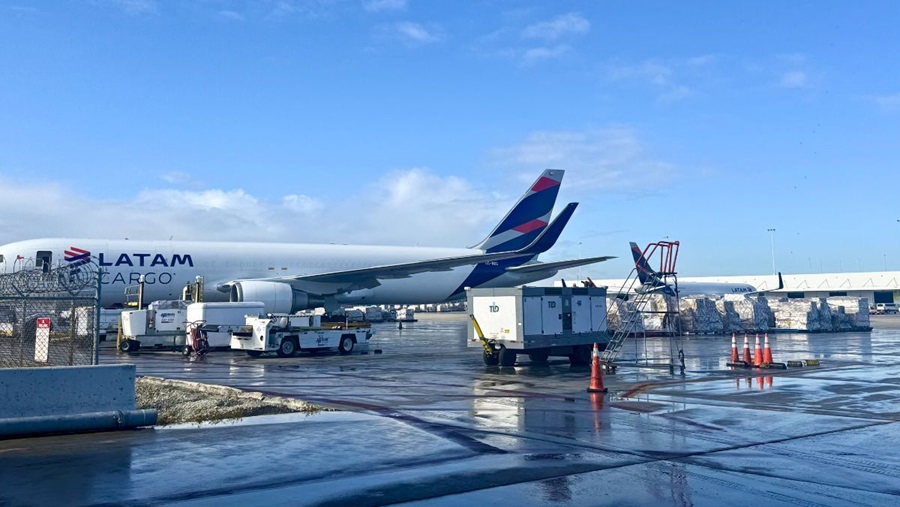
From the fields, flowers move quickly to nearby packing houses. Protective packaging is designed to maintain airflow and prevent damage during transit, while hydration and temperature controls help preserve freshness. From there, it’s on to nearby airports and the flight to North America.
Along the way, nothing is left to chance. Robinson Fresh teams coordinate export documentation, phytosanitary inspections, and transportation. Cold‑chain integrity is monitored closely, with contingency plans in place to navigate weather disruptions or shifts in air cargo space. Mother’s Day doesn’t wait, so every detail matters. Any lapse can mean the difference between making it on schedule or missing the moment entirely.
Step 3: Touchdown in Miami
In just the two weeks ahead of Mother’s Day, Robinson Fresh moves 20% of total annual floral volume through its supply chain from South America to the United States. These tens of millions of flowers go through a single warehouse at Miami’s International Airport.
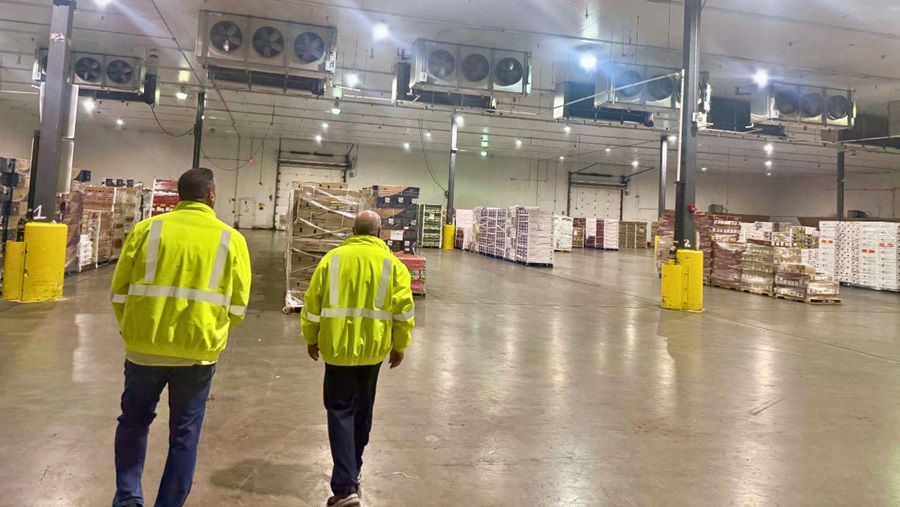
Located right next to the tarmac, this 48,000-square-foot, fully temp-controlled facility is ideally suited to process floral freight efficiently and with precision. Once offloaded from their flights from South America, the cases of flowers go through customs, inspection, labeling, air-cooling, consolidation and packaging within hours.
Here, too, preparations have been going on for months, so that the facility and staff can absorb a 1,000% increase in volume and activity without a hitch. That foresight is more than necessary considering the numbers. During the three-week Mother’s Day peak, the building processes up to 75,000 cases of flowers and 10 million individual stems a day, loads and unloads 100+ trucks per day, consolidating and distributing the fresh flowers in a matter of hours.
Step 4: A token of love, the fruit of hard work
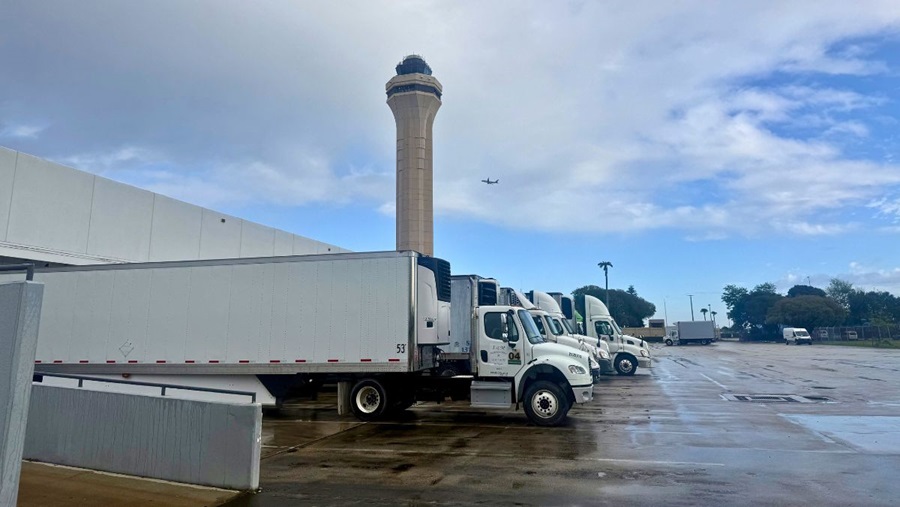
The last leg of the journey takes the flowers to their final destination: thousands of retail locations and tens of millions of families celebrating the mothers in their lives.
In the end, it takes no more than five to seven days to transport each bouquet from the Andean highlands to its final point of sale. Most consumers wouldn’t think about it twice, but it entails a transcontinental network of specialized logistics services—air, truckload, LTL, warehousing and C.H. Robinson’s distribution network, all temp-controlled and carefully orchestrated to deliver the freshest product right on time—and a small army of experts who get better at what they do every single year.
That bouquet of roses for your mom? It’s not just a token of love—it’s the product of hard work and priceless expertise.
 Exclusive insights